If you've ever looked into improving your 4G or 5G signal, you'll know there are plenty of antennas to choose from. But how do you know which one you actually need?
One of the main things to consider is whether you need a directional or omnidirectional antenna. Both are designed to help improve mobile connectivity, but they work in different ways and suit different environments.
To make things easier, we've broken down the key differences, where each works best, alongside some Poynting antennas worth considering.
What Is an Omnidirectional Antenna?
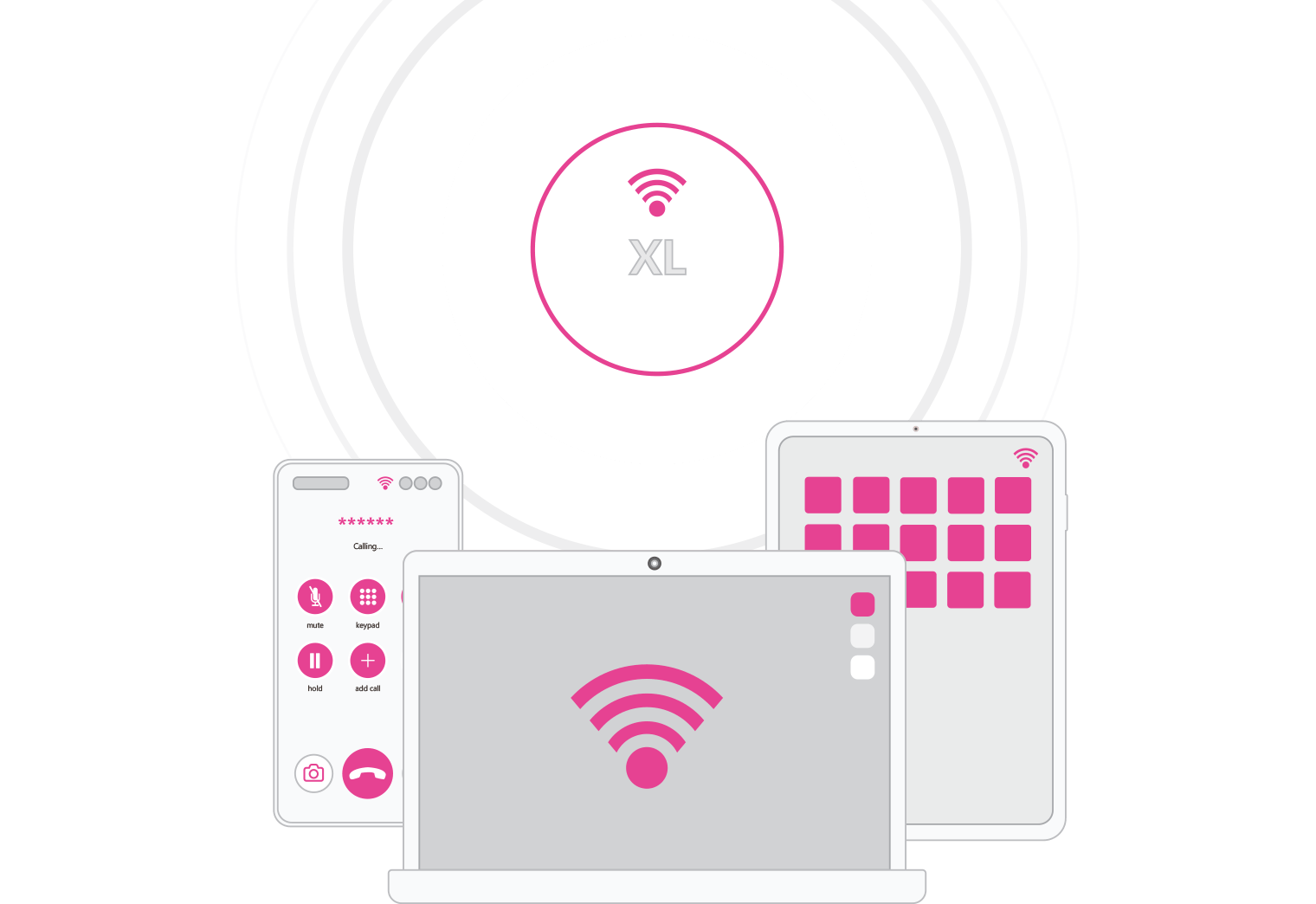
An omnidirectional antenna captures and transmits signals in a 360-degree horizontal pattern , rather than focusing in just one direction. Think of it like a light bulb, spreading light around an entire room instead of pointing at one spot.
As it receives signals from all directions simultaneously,it doesn't need to be pointed towards a specific cellular tower.
Where might you use one?
- Urban and Suburban Areas: Where there are multiple mobile masts nearby.
- Vehicles and Motorhomes: Where the direction of the nearest mobile mast changes as you move.
- Temporary Installations: Where you need a flexible setup without having to align the antenna towards a particular mast.
- Marine Applications: Ideal for boats and yachts, where movement and changing direction make it difficult to maintain alignment with a specific mobile mast.
It can pick up signals from different directions, although other nearby signals can sometimes affect the connection.
What Is a Directional Antenna?
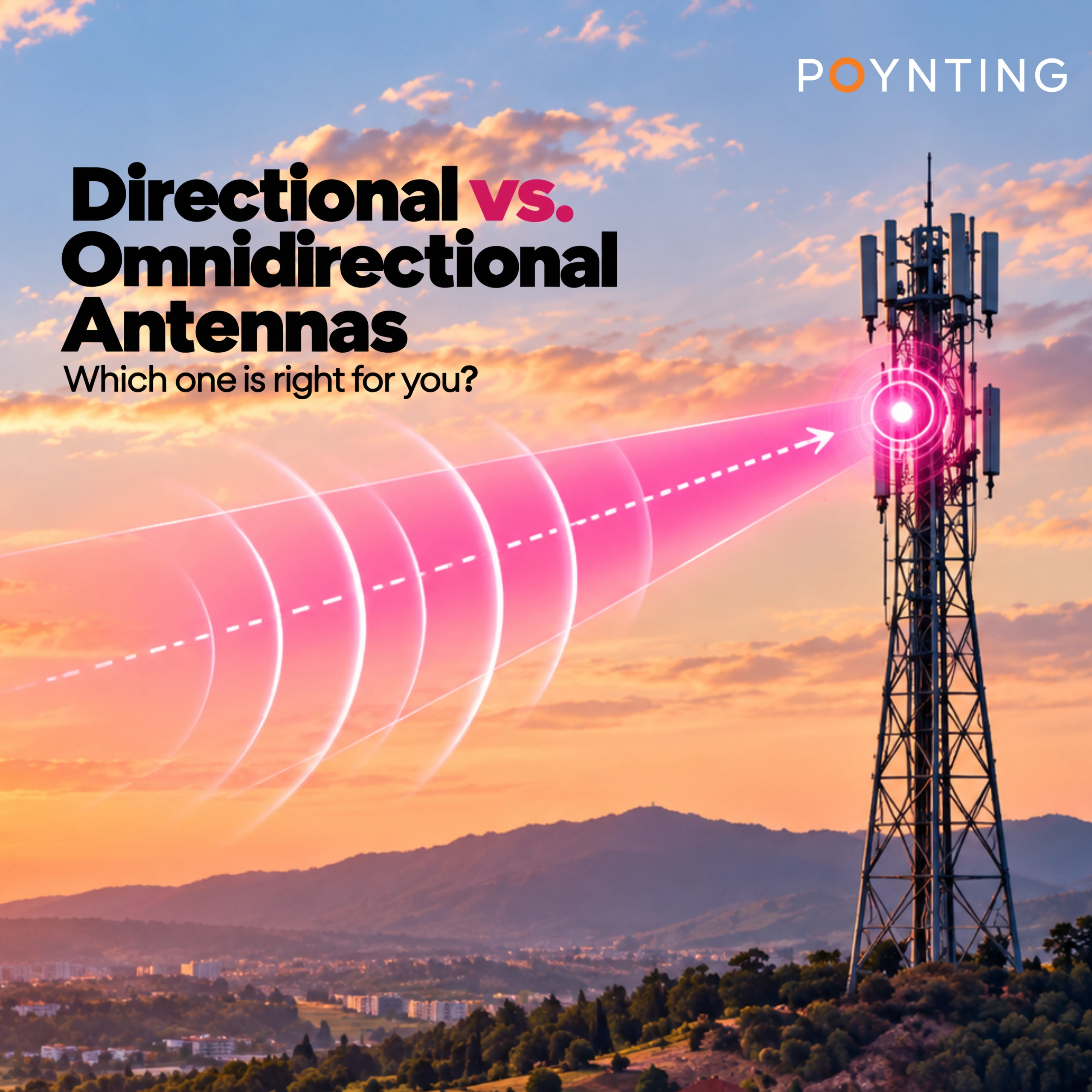
A directional antenna focuses all its power in one specific direction, significantly increasing its range (gain) toward a targeted cell tower. Think of it like a torch, pointing light towards one spot instead of lighting up an entire room.
By concentrating RF energy, directional antennas can reach distant masts and pull in clean signals where standard antennas fail for a stronger, more reliable connection.
Where might you use one?
- Rural Properties: Where the nearest mobile mast may be several miles away.
- Remote Offices or Buildings: Where connectivity relies on a distant mobile mast.
- Fixed Installations: Where the antenna can be positioned towards a particular mast and left in place.
Directional antennas require precise alignment during installation. If your target cell tower undergoes maintenance or becomes congested, your device cannot automatically switch to a tower behind the antenna.
How to Find Your Nearest Cell Towers with CellMapper
The easiest way to find your nearest Cell Tower is by heading to cellmapper.net/map. Just follow these easy steps:
- Head to cellmapper.net/map
- Click menu on the top left corner
- Click Search
- Type in a nearby road of town and click on any of the suggested options
You should now see all your nearby cell towers and where they’re located! You can even choose a specific provider and see who covers your nearby area. To do that:
- Click out of the search menu then click ‘Provider’
- Select the provider drop down box and scroll down to the United Kingdom
- Select the provider you wish to see and the map will update
As this website is community-sourced, some information may not always be completely accurate. However, it’s a really useful tool for finding nearby cell towers and helping you work out where to point your antenna for the best possible signal.
Directional vs Omnidirectional: What's the Difference?
Here's a quick breakdown of the key differences.
| Features | Omnidirectional | Directional |
| Signal Coverage | 360° horizontal radius | Narrow, focused beam |
| Antenna Gain (Reach) | Lower to Moderate Gain | High to very high gain |
| Installation | Generally easier to position | Needs precise alignment |
| Best Suited For | Urban areas and mobile applications | Rural areas and fixed installations |
| Interference Handling | Can receive interference from multiple directions | Reduces interference from other directions |
| Main Benefit | Flexible reception from different directions | Stronger, more focused reception towards a target mast |
Which Poynting Antenna Should You Choose?
Poynting offers a range of directional and omnidirectional antennas designed for different 4G and 5G applications. Here are a few examples:
| Model | Type | Best Application |
| XPOL-1-5G-PLUS | Omnidirectional | Cross-polarised 2x2 / 4x4 MIMO antenna for urban homes, offices, and commercial spaces. |
| PUCK Series | Omnidirectional | Compact, vandal-resistant puck antennas ideal for caravans, trucks and marine setups. |
| OMNI Series | Omnidirectional | Marine and coastal installations needing high-durability, multi-directional reception. |
| XPOL-2-5G |
Directional |
High-gain directional cross-polarised antenna - the industry standard for rural 4G/5G broadband. |
| LPDA-92 |
Directional |
High-gain directional antenna designed for ultra-remote, long-range cellular connections. |
So, Which Antenna Do You Need?
It all comes down to where you are and what you need!
- Choose Omnidirectional if: You are on the move, live in a city or town with multiple surrounding towers, or want a hassle-free, point-and-forget setup.
- Choose Directional if: You live in a rural area, are far from the nearest mast, need maximum speed and signal boost, and have a fixed mounting pole available.
There's no one-size-fits-all answer, but understanding the difference is a great place to start.